Sustainable Farming & Food Security
Beyond cash crops. We are cultivating diverse, self-sustaining ecosystems in Kiambu to ensure every Gatatha household enjoys local nutritional sovereignty through Earth Care and People Care.
100%
Local seed preservation and community-first harvest distribution.
From Subsistence to Ecosystems
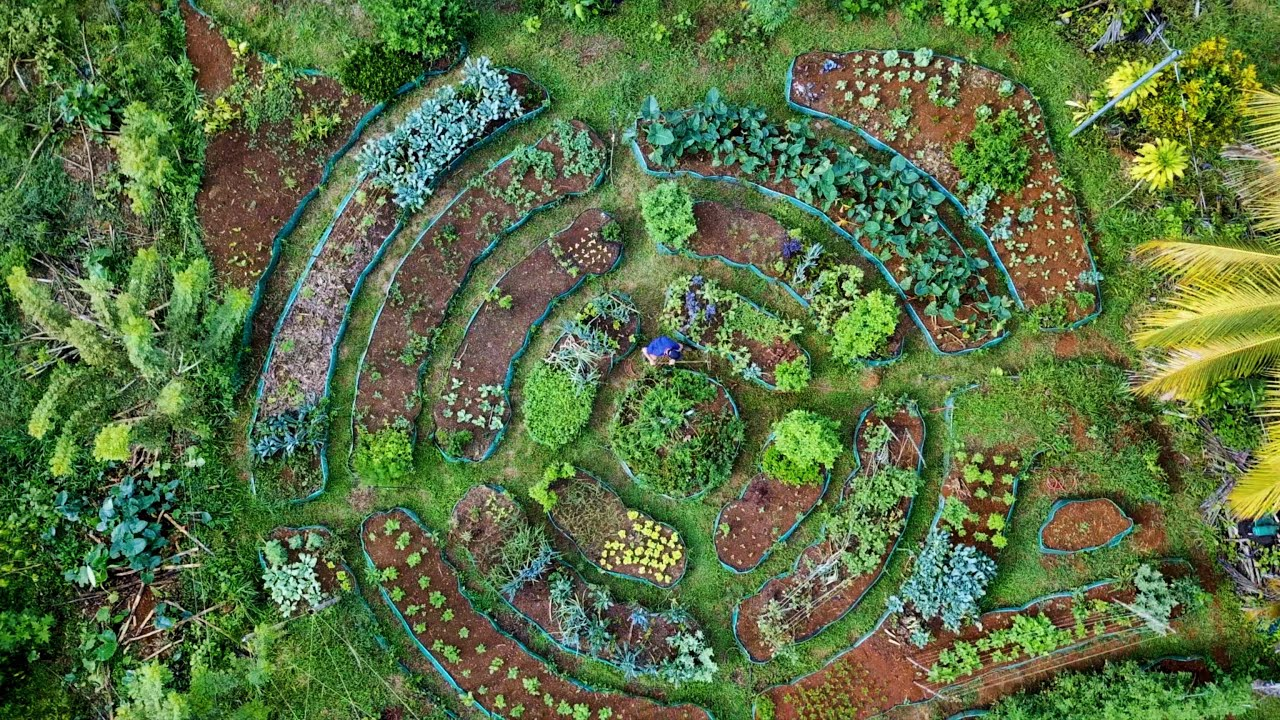
The Gatatha community is moving away from the vulnerability of mono-crop cash farming. Our permaculture-led initiative focuses on three core pillars: Earth Care (restoring soil biology), People Care (ensuring local nutrition), and Fair Share (redistributing surplus within the village).
By designing gardens that mimic natural forests, we reduce the need for external inputs while maximizing the variety of nutrients available to families. This is not just farming; it is the reclamation of our food autonomy.
No-Till Wisdom
Protecting fungal networks for soil health.
Water Swales
Passive hydration through land contouring.

Earth Care
12,000kg of living compost generated locally this year.
Fair Share
Surplus from community gardens is shared with local schools and elders.

Cultivating Resilience
We implement ecological design systems that prioritize nutritional density and climate adaptation.
Food Forests
Multi-layered cropping systems including canopy trees, shrubs, and root crops for year-round harvesting.
Companion Planting
Natural pest management and nitrogen fixation through strategic plant guilds like 'The Three Sisters'.
Mulching & No-Dig
Building topsoil and retaining moisture by covering soil with organic matter instead of tilling.

Nutritional Security Metrics
Shifting our success criteria from market profit to community health and ecosystem vitality.
42+ Species
Diverse Food Groups Grown
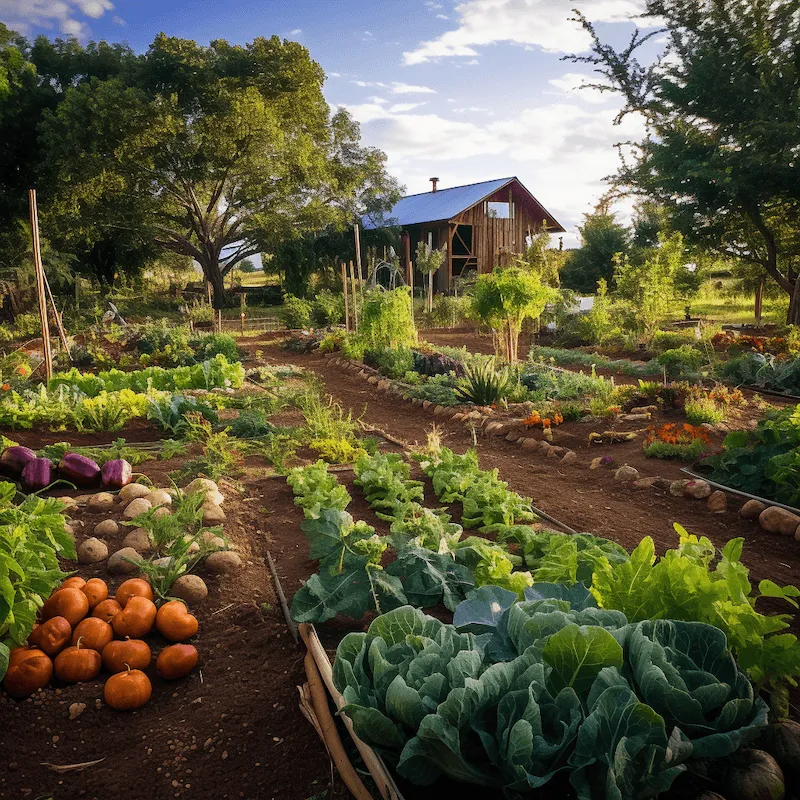
The average Gatatha permaculture garden now produces over 40 varieties of fruits, vegetables, and medicinal herbs,compared to just 3-4 in traditional cash-crop monocultures.
85%
Compost Self-Sufficiency
Zero reliance on synthetic fertilizers.
Closed
Water Cycles
100% greywater recycling implemented.
90% Reduction
In localized seasonal hunger periods reported across participating clusters.
The Stewards of Gatatha
Building sovereignty requires diverse knowledge—from ancestral wisdom to ecological design.
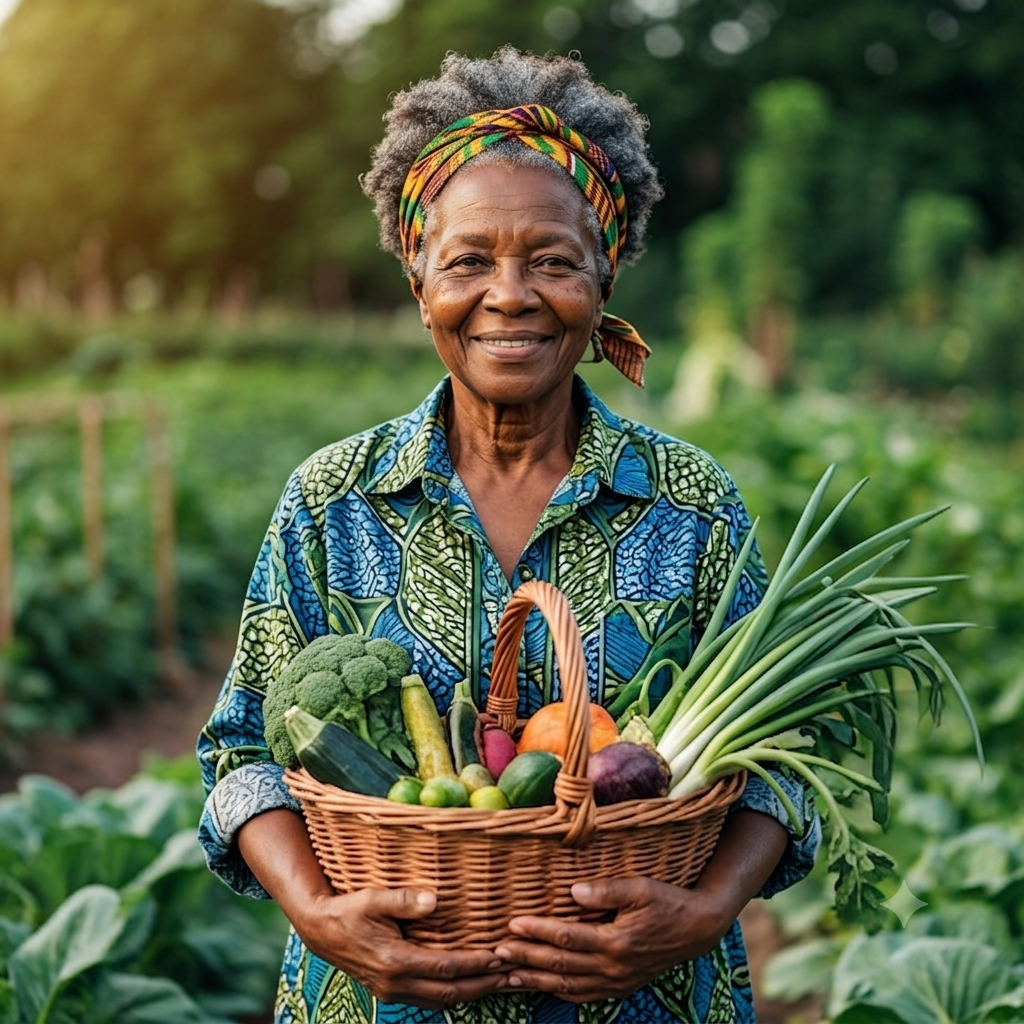
Community Gardeners
The Practitioners
Local families managing home-scale ecosystems for daily nutrition.
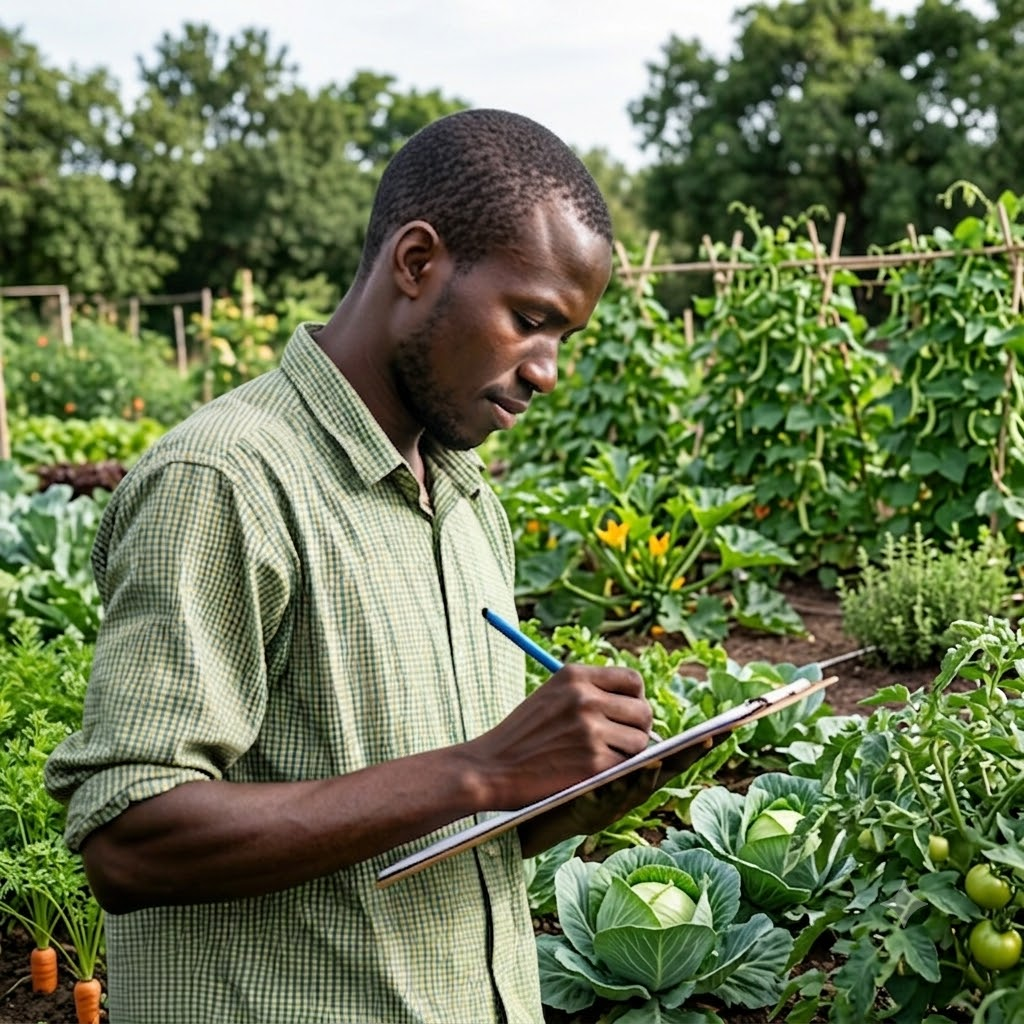
Ecological Officer
The Architects
Applying site-specific permaculture patterns to maximize yield and beauty.
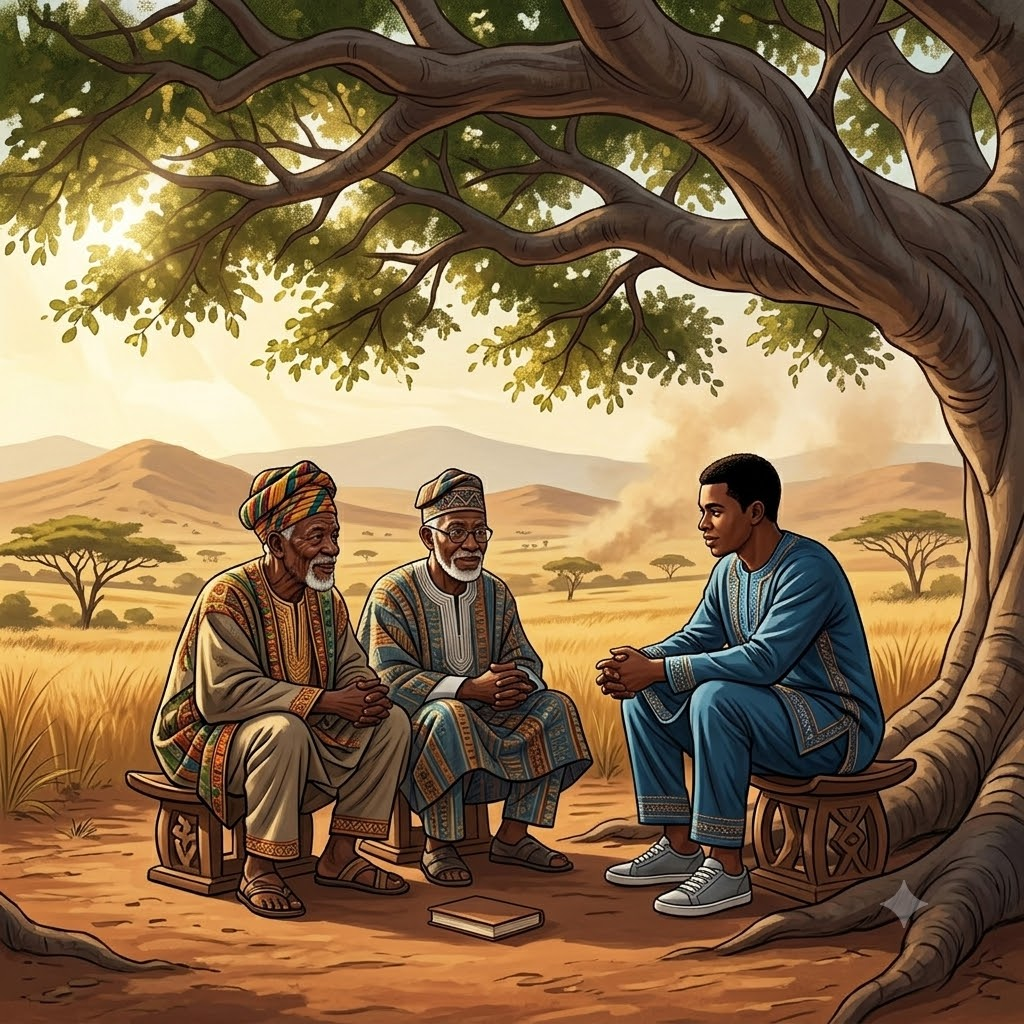
Local Elders
The Knowledge Keepers
Preserving traditional seed saving techniques and weather lore.
Nurture Our Sovereignty
Support the transition from cash-dependence to nutritional freedom. Join us in building a future where Gatatha feeds itself first.